Minority Report
Things Every Humane Group Should Do
With cultural misunderstanding rampant between humane organizations and the African American community, what can be done to breach the divide? A lot, say our participants.
Go to the people who can really help: The center of many African American communities today is still their local church. And remember that after-school activities are often not available to many children. So work with church leaders to learn what's most needed in the community: low-cost spay/neuter, veterinary care, help with the basics of food, litter and medicine, etc. Or bring a group of shelter dogs to a community center or church. Doggie daycare meets child care. Get them young, get them excited, and give them something to care about.
Recognize the local issues: "There is a lot of fear of dogs in [black] neighborhoods," says Miller. "So dog bite prevention would be a good program to try. Bring in some dogs that are non-threatening, so the children can see there are other kinds of dogs besides pit bulls and Rottweilers that are very lovable."
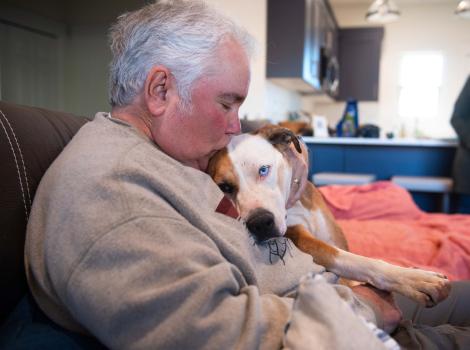
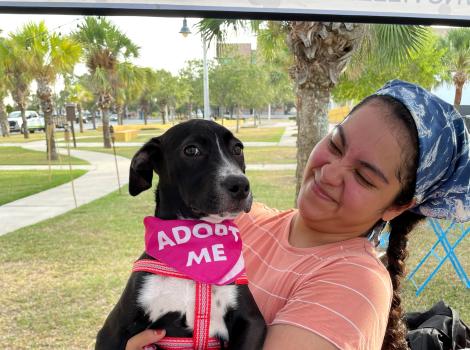
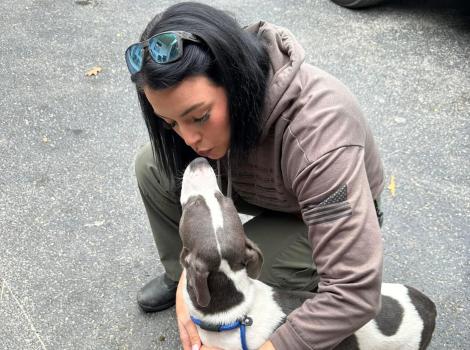
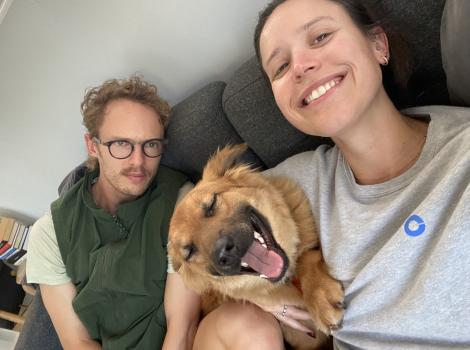
Publicize the message: Hardly any humane groups use images of minorities with pets. Make sure that's not the case in your literature.
Don't go too high-tech: "There's a tendency to put all educational materials on the Internet," says Miller. "But there's a whole constituency out there that is not on the Internet. Give a phone number they can call, or a place they can write for information."
Don't try to change people: "For years," says Kaufman, "the goal of humane educators has been to change people. That's not productive. You can bring information, but the change is up to them. And they will only change if what you're bringing them makes sense - if they respond to it and if they want to change."
1 | 2 | 3 | 4 | 5 | Next: The Latino Community